
Post Summary
Gen Z doesn't just shop anymore. They want an experience.
Walk into any busy store on a Saturday. You'll see people taking photos of displays. Groups hanging out in different sections. Customers are treating their visit like an event.
This is retail tourism. And it's changing how stores need to operate.
Here's what most people miss: creating these great experiences requires solid operational systems behind the scenes. The best stores know that good operations make great experiences possible.
That's why retail brand management has become critical; it's the foundation that makes memorable customer experiences scalable across multiple locations.
.svg)

Priced on per user or per location basis
Available on iOS, Android and Web


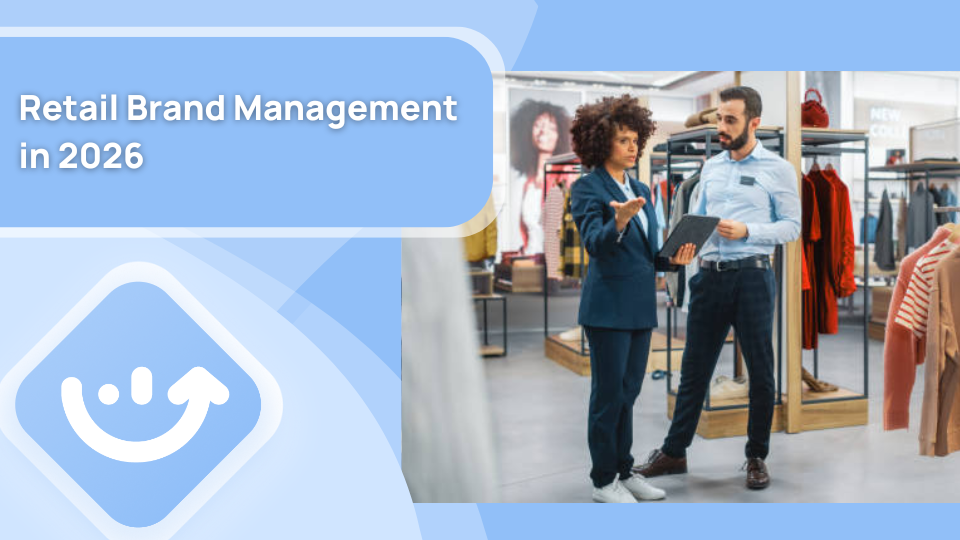
What Is Retail Brand Management?
Retail brand management is making sure your brand looks and feel.
A customer visits your Denver store, shops on your website, then visits Dallas. The experience should feel consistent. Same brand personality. Same quality. Same service level.
What is retail brand management in practice?
It's every touchpoint where customers interact with your brand, from window displays to checkout speed to how returns are handled. Each of these moments either builds or breaks your brand.
Here's the problem: most retailers struggle with the execution gap between having brand standards and actually following them consistently across locations.
That's where your brand value disappears.
What changed in 2026? Customer expectations have gotten higher. One bad experience at any location ends up on social media within minutes.
That's why retail brand management today is about standardized operational execution, not just marketing guidelines. Modern brand compliance requires systems that bridge the gap between corporate vision and what actually happens in stores.
The Store Manager's Role in Brand Management in Retailing
Store managers are brand stewards now. They take what the corporation wants and make it happen on the sales floor.
Brand management in retailing starts at the store level. Every daily decision a store manager makes impacts how customers see your brand.
Here's what this looks like:
Corporate sends instructions for a new display. Materials arrive. But your store manager decides:
- How strictly to follow the layout when space is tight
- Whether "close enough" works
- If the setup can wait until tomorrow because they're short-staffed
Multiply this across 50 stores. Each manager makes slightly different choices. Brand consistency falls apart fast.
Bridging the Gap Between Online and Physical Brand Identities
Here's the biggest challenge retail leaders face in 2026: maintaining a consistent brand across both digital and physical channels.
Your customers don't think in channels. They expect a seamless experience, whether they're browsing Instagram, shopping on your website, or walking into a store.
Where things break
A customer sees a promotion online. They visit the store. The team hasn't implemented it yet. Different systems, different timing. The customer feels misled.
Or this: Someone checks if you have an item in stock online. The website says yes. They drive 20 minutes. The item isn't there. Your inventory system didn't update.
These gaps destroy trust fast.
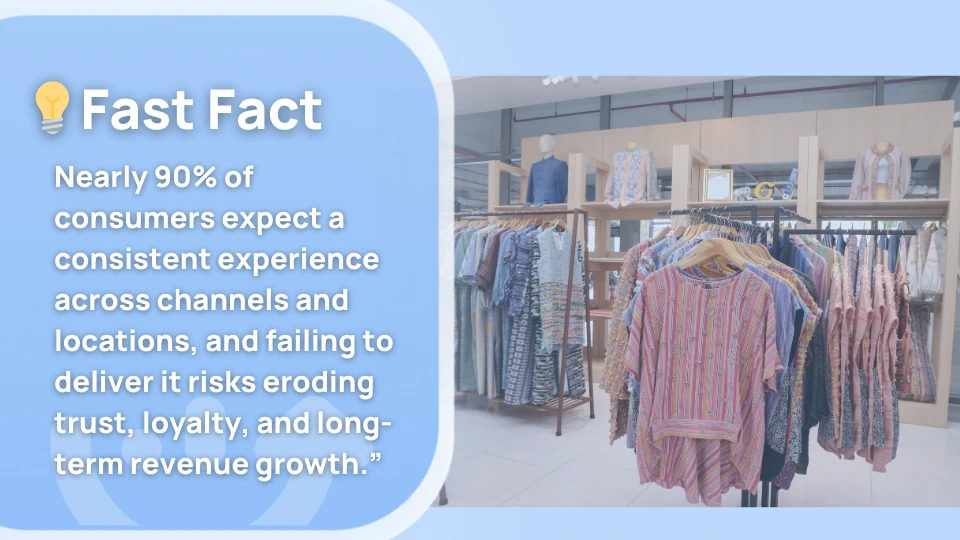
Studies show 62% of shoppers expect a consistent brand experience regardless of purchase channel or device. But most retailers run different standards, track different metrics, and use different teams for each channel.
The operational reality
E-commerce teams work in one system. Store teams use different tools. Marketing plans campaigns without checking if stores can actually execute them on time. Everyone optimizes for different goals.
But customers judge your brand by what you deliver, not by your internal complexity.
What actually works in brand management retail
Make standards identical across channels. Your return policy should work the same online and in-store. Sale timing should align. Product information should match.
Coordinate execution across teams. When a corporation launches something new, every channel needs clear steps to launch together. This needs better communication between headquarters and stores, not just marketing alignment.
Make BOPIS work smoothly. Buy online, pick up in store isn't just convenient, it's a brand promise. Stores need clear processes to verify pickup areas are ready, orders are accurate, and communication stays consistent.
Keep inventory accurate in real-time. When you tell customers something is available, it has to actually be there. This needs operational verification through regular store inspections, not just what your system reports.
The retailers excelling at omnichannel invested in systems that verify stores are ready digitally. They spot execution gaps immediately through retail store productivity metrics. They made brand consistency a top priority everywhere customers interact with them.
Retail Brand Management Trends in 2026
Three big changes are reshaping how brand management retail operations work in 2026.
Stores Are Becoming Experience Destinations
Gen Z treats store visits like going out with friends. They want experiences worth sharing. Photo-worthy moments. Interactive elements. Events. Limited releases.
What this means for operations:
Everything got more complicated. You're changing merchandising more often. Events need detailed setup plans. Instagram spots need to stay perfect all day. Staff need to engage people, not just ring them up.
This is the Experience Economy. Your store competes with movies, restaurants, and entertainment venues now.
Here's the key: Brand standards make this possible. When opening procedures work smoothly, teams aren't scrambling. When merchandising standards are clear, managers have time to create special moments.
New skills store managers need:
Event planning and execution. Understanding what makes moments shareable. Training staff on customer engagement. Flexibility within brand guidelines.
The challenge for multi-unit retailers? Managing this complexity at scale. You need retail task management software that verifies completion with photo proof and sends alerts when standards aren't met. This applies whether you're managing traditional retail stores or convenience store operations.
Local Flexibility With Brand Identity
Customers want you to understand their local market while maintaining your brand recognition.
A Miami store should feel different from Minneapolis. Different weather, different customers, different lifestyle. But both should clearly be your brand.
The challenge: What can change and what can't?
Product mix can vary by location. Store layouts adapt to different spaces. But brand colors, the store’s interior feel, service standards, and quality stay the same everywhere.
This requires systems that send location-specific standards while keeping core brand elements consistent. You can't do this manually at scale.
Smart retail operations platforms use conditional logic to automatically route the right standards to the right store formats. Flagship stores get premium merchandising checklists, while outlet stores get streamlined versions, but both maintain core brand standards.
AI-Powered Compliance Tracking
AI is changing brand standards enforcement right now. Photo recognition checks if merchandising matches plans automatically. Computer vision spots products in the wrong places. Predictive analytics catch problems before they happen.
Leading retailers use AI to compare store photos to brand standards. They get instant scores instead of waiting for district manager visits. They get automatic alerts when something's wrong.
The results: Catch issues faster. No subjective reviews. Fix things proactively.
How Technology Helps Retail Brand Management
Paper checklists don't work at scale. District managers visiting stores with paper and clipboards can't provide the real-time visibility retail leaders need in 2026.
Modern retail audit software changes this. The right platform consolidates everything, audits and inspections, task management, compliance tracking, and team communication, into one system built specifically for frontline operations.
Here's what separates basic digital checklists from true retail execution platforms:
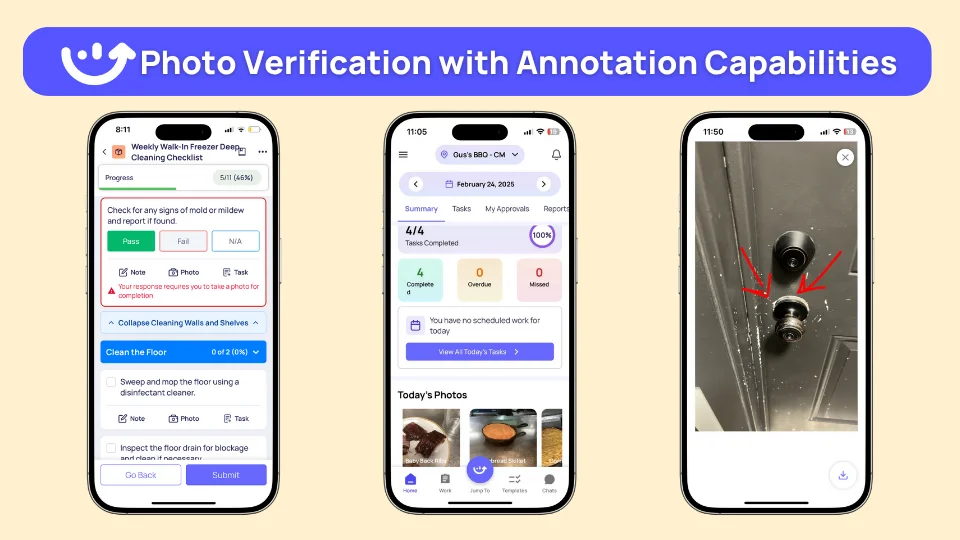
- Photo verification with AI analysis: Store teams' photograph displays next to reference images. Side-by-side comparison removes ambiguity about whether standards are met. Advanced platforms like Xenia use AI-powered photo analysis to automatically verify compliance, detecting incorrect product placement, missing signage, or merchandising gaps without requiring manual review from district managers.
- Real-time operational dashboards: The corporation sees which stores completed procedures, which displays a need for fixing, and where action is needed through comprehensive reporting and analytics. This visibility becomes instant across your entire footprint. No waiting for weekly reports or store visits to understand execution gaps.
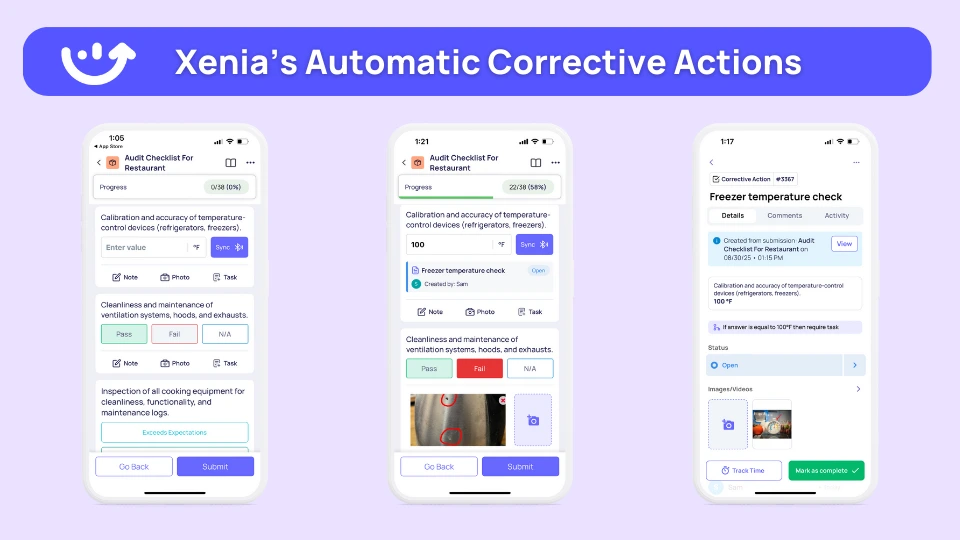
- Automated corrective action workflows: When routine inspections find problems, tasks automatically route to the right people with photo evidence, clear instructions, and deadlines. Nothing falls through the cracks. Managers get automatic escalations if issues aren't resolved within SLA timeframes.
- Mobile-first execution for deskless teams: Store associates work from their mobile phones. The best platforms recognize that retail employees are deskless workers who need simple tools that match how they actually work, quick to access, easy to complete, and are designed for the sales floor.
- Centralised communication across locations: The biggest operational gap? Communication between headquarters and stores. Effective platforms centralize announcements, policy updates, and urgent alerts in the same system where teams complete their daily tasks. No more hunting through email chains or missing critical updates.
Scale demands different tools. Multi-unit retailers need platforms designed specifically for distributed operations where visibility and consistency matter more than individual store autonomy.
The key is choosing systems that make brand standards easier to follow, not harder. When photo verification takes 30 seconds instead of 3 minutes, issues get flagged immediately instead of discovered weeks later during store visits, and corrective actions happen automatically, compliance improves naturally.
Xenia consolidates what typically requires 4-6 different systems, audit tools, task managers, communication platforms, training systems, compliance trackers, and reporting dashboards into one unified platform built specifically for operations leaders managing multi-location retail brands.
FAQs
What is the role of a store manager in retail brand management?
Store managers make brand standards happen on the floor. They manage visual merchandising, service quality, and daily decisions that shape how customers see the brand. In 2026, they will also balance strong operations with events and in-store experiences that people want to share.
How do retail brands maintain consistency between e-commerce and physical stores?
By using the same standards across all channels. Promotions, product details, and service expectations are aligned everywhere. Digital checks help ensure stores deliver what customers see online, keep inventory accurate, and launch campaigns at the same time.
What are the emerging trends in retail brand management for 2026?
Three trends stand out:
- Retail tourism: Stores act as experience hubs for Gen Z, with events and moments worth visiting.
- Hyper-personalization: Local stores adapt to their market while staying true to the brand.
- AI-driven compliance: AI uses photos and data to check standards automatically and reduce manual work.
How can technology help retail managers track brand standards across multiple store formats?
Retail audit software like Xenia gives managers real-time visibility through photos, dashboards, and mobile tools. AI checks displays against planograms and scores compliance. Different standards are automatically sent to different store types, so each format stays on brand without confusion.
Final Thoughts
Strong operations make great customer experiences possible. When opening routines run smoothly, and standards are clear, teams spend less time fixing issues and more time engaging customers. When compliance is automated, your brand shows up the same way in every store.
The brands winning with Gen Z don’t rely on guesswork. They make standards simple, visible, and easy to execute so teams can deliver consistency with personality.
In 2026, top retailers will be those who master execution at scale. Retail brand management is about disciplined execution that gives teams room to be creative.
The real risk is the gap between what leadership plans and what happens on the floor. Retail execution platforms like Xenia close this gap by bringing audits, tasks, and compliance into one frontline system. When standards are clear and consistently followed, leaders can focus on creating experiences customers want to share.
Your brand is only as strong as your weakest store. Make operational excellence non-negotiable.
Frequently Asked Questions
Got a question? Find our FAQs here. If your question hasn't been answered here, contact us.

Looks like there's no data available in our FAQ section at the moment.

A Modern, AI-Powered Platform Built for Retail Operations
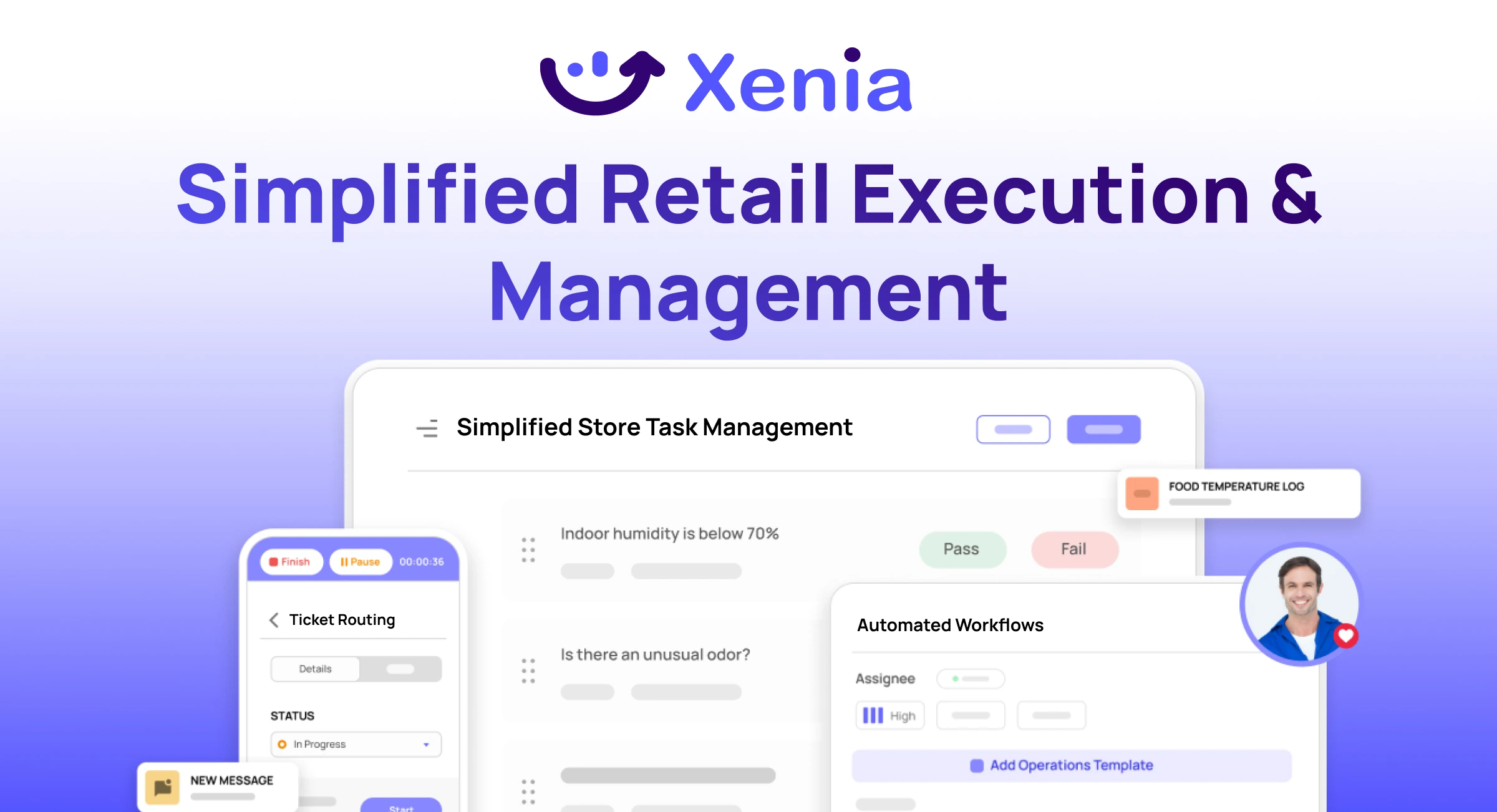
Xenia brings store operations, merchandising, audits, and loss prevention into one mobile-first platform. Store teams execute daily work consistently, maintain brand standards, and resolve issues faster, while regional and corporate leadership get real-time visibility across all locations.
Why Retail Operators Choose Xenia:
🤖 AI-Powered Merchandising, Verify planograms, displays, and brand standards automatically with AI photo analysis. Build digital checklists instantly or convert existing merchandising guides.
🏬 Operations & Loss Prevention, Assign opening procedures, store walks, and resets across locations. Track theft, cash discrepancies, and security incidents with evidence and approval workflows.
📊 Real-Time Visibility, Compare audit scores and task completion across stores. Identify top and underperforming locations. Export reports for leadership reviews.
One platform for operations, merchandising compliance, and loss prevention across all locations.

.svg)
.webp)
%201%20(1).webp)

.svg)
%201%20(2).webp)