
Post Summary
Retail shrinkage is accelerating fast. The latest data shows $132 billion in global losses, and the trend shows no signs of slowing.
Most of this isn't theft. Its execution gaps. Merchandising done wrong. Inventory counts off. Standards not followed. Small problems are multiplying across hundreds of stores.
Here's the shift happening in 2026: Smart retailers stopped treating audits like report cards. They started treating them like radar systems.
Retail audits now catch problems before they cost money. They spot patterns. They predict issues. They protect your margins.
This guide shows you how.
.webp)
.svg)

Priced on per user or per location basis
Available on iOS, Android and Web


What is a Retail Audit?
A retail audit is a systematic check verifying that your stores execute established standards.
Simple as that.
You have standards for merchandising. Procedures for opening and closing. Rules for handling cash. Expectations for customer service. Audits verify that these things actually happen.
What is a retail audit in practice?
It's walking through a store with a checklist. Taking photos. Scoring what you see. Documenting issues. Following up on problems.
The retail audit meaning is straightforward: operational verification that protects brand consistency and margins.
The goal isn't catching people doing things wrong. The goal is to make sure your brand shows up the same way everywhere.
When someone visits your Denver store, then shops online, and then goes to your Dallas location, the experience should feel consistent. Same quality. Same service. Same standards.
That consistency requires systematic checking. That's what retail auditing does.
Retail Audit vs Store Inspection
People mix these up constantly.
Store inspections happen daily. Quick operational checks. Is the store clean? Equipment working? Staff ready? These are routine maintenance.
Retail audits are deeper. They measure against detailed standards. They generate scores. They compare locations. They track performance over time.
Think of it this way:
Inspections = "Is everything okay right now?"
Audits = "How well are we executing our standards compared to last month and other stores?"
Both matter. Leading retail audit software handles both - daily inspections feed into bigger audit programs that show you the full picture.
Why Retail Audits Matter More in 2026
Shrink losses more than doubled over the past five years.
Why? Operations execution gaps.
When margins are tight and customers are price-sensitive, consistent execution protects profitability. Strong merchandising drives sales. Accurate inventory prevents stockouts or overstock. Compliance adherence avoids fines.
The importance of retail audits shows up in three ways:
Margin protection: Execution opportunities add up fast. One store executing merchandising correctly can generate an extra $500 a week. Multiply that by 50 stores. That's $1.3 million a year in protected revenue. Audits identify these opportunities early.
Here's the ROI: A 50-store chain spending $500 per week per store on manual audit documentation ($1.3M annually) cut costs by 65% with automation, saving $845,000 yearly while improving audit quality and response time.
Brand consistency: One exceptional store visit goes on social media immediately. Your best location elevates your entire brand's reputation. Consistent brand execution requires systematic checking.
Compliance requirements: ESG reporting became mandatory in 2025 across most major economies. You need documented proof that you're following environmental standards, labor rules, and safety procedures. Audits create that documentation.
Here's the reality: Theft causes 29% internal and 37% external shrinkage. But the rest? Operational improvements. Administrative opportunities. Execution enhancements. Things audits identify so you can capture the value.
Your retail execution either works consistently or it doesn't. Audits tell you which.
The 5 Types of Retail Audits You Need
Different types of retail audits check different things. You need all five.
1. Operational Audits
These are the daily procedures.
Opening checklist completed? Closing procedures followed? Cash handling done right? Are inventory counts accurate? Temperature logs filled out?
Basic operational stuff. But this is your foundation. Operations leaders use these to find where training gaps exist. Run these monthly or quarterly, depending on how critical each procedure is.
2. Merchandising Audits
These verify visual standards.
Planograms set up correctly? Window displays matching corporate guidelines? Are the sale signs in the right spots? Products facing forward? Shelves properly stocked?
Merchandising directly impacts sales. Customers buy what they see. These audits ensure your stores look right. District managers typically run these weekly or monthly.
3. Loss Prevention Audits
These find security gaps.
Organized retail crime groups look for operational vulnerabilities. These audits spot them first.
Are security cameras working? High-value items properly secured? Are receiving procedures preventing fraud? Alarm systems functioning? Is cash handling secure?
Monthly or quarterly checks document your security posture. For detailed execution procedures, see our guide on how to conduct effective retail store audits.
4. Safety Audits
These verify regulatory compliance.
Are fire extinguishers accessible? Emergency exits clear? Equipment properly maintained? Safety training documented? OSHA requirements met?
Health inspectors show up unannounced. Regular safety audits ensure you're always ready. Monthly for critical items, quarterly for everything else.
5. Customer Experience Audits
These measures service delivery.
Greeting customers quickly? Keeping fitting rooms clean? Managing checkout wait times? Following up on complaints? Staff engaging properly?
These audits directly impact store productivity and customer satisfaction. Weekly or monthly frequency keeps service consistent.
The integration point: Run these separately, but look at them together. When the same stores fail multiple audit types, you've found locations needing immediate help.
How AI and Image Recognition Transform Retail Audits
This is where retail audit image recognition changes everything.
Old way: Retail auditors visit stores. Take photos. Review them later at the office. Send feedback three days after the visit. By then, the problem is three days older.
New way in 2026: AI analyzes photos instantly. Flags problems immediately. Scores automatically. Triggers fixes before the district manager leaves.
Here's what that actually looks like:
Photo verification removes arguments. Store associate takes a photo of the display. AI compares it to the correct setup. Either it matches, or it doesn't. No "close enough" debates. Computer vision technology enables instant retail audit image recognition that scores planogram compliance without human review.
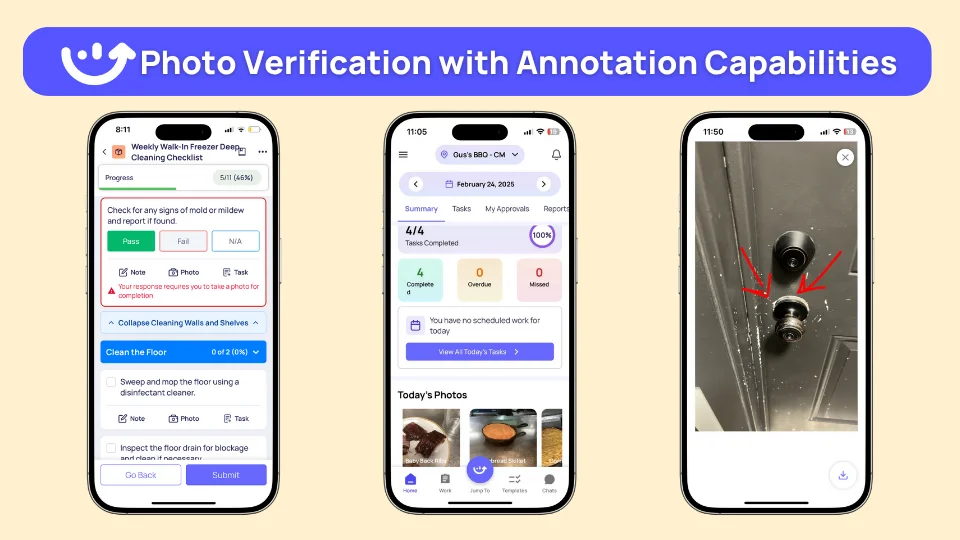
Predictive analytics catch problems early. The system sees that Store 47 missed the last two audits on seasonal resets. It predicts they'll struggle with the next one. You send help before they fail.
Automated scoring stays objective. District managers have favorite stores. They score them higher without meaning to. AI doesn't have favorites. Every store gets measured the same way. Retail auditors now focus on coaching instead of subjective scoring.
Real-time dashboards show everything. Corporate sees which stores completed audits today. Which ones are struggling? Which standards cause the most problems? Reporting happens instantly, not after someone compiles a monthly report.
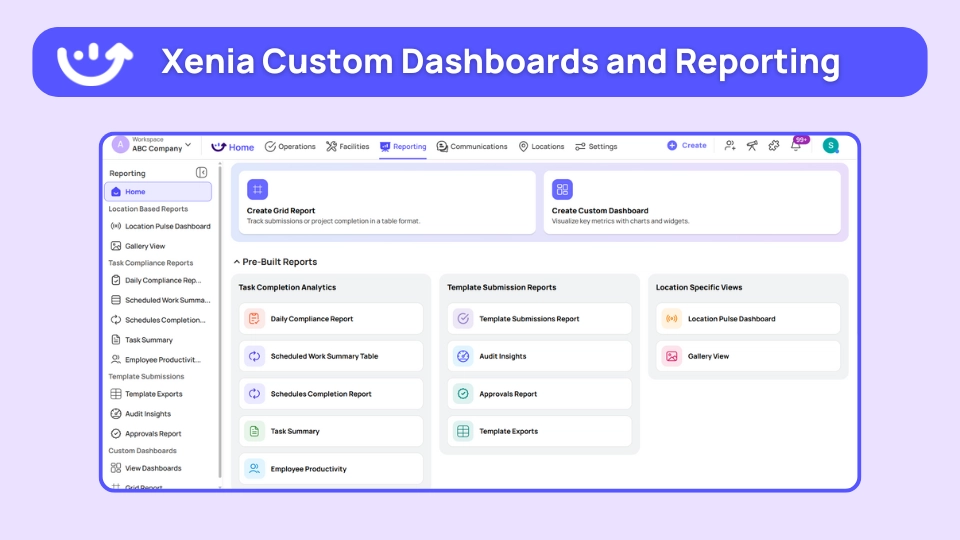
Agentic workflows close the action gap. These agentic workflows automatically route corrective action tasks to the right person, set completion deadlines, escalate unresolved issues, and verify fixes with photo evidence, all without human intervention. The gap between identifying a problem and fixing it shrinks from days to hours.
Pattern recognition finds systemic issues. AI notices that stores with a certain layout always fail merchandising audits. Or that stores with specific managers always pass safety checks. These insights drive better retail operations.
The technology isn't complicated. It's practical. It's available now.
Internal Audit Retail Programs vs External Audits
Internal audit retail programs run by your own team differ from external third-party audits.
Internal retail auditing happens continuously. District managers, regional supervisors, and operations directors conduct operational checks. These focus on improvement and coaching. Your team controls frequency, standards, and follow-up.
External audits provide an outside perspective. Mystery shoppers measure actual customer experience. Compliance consultants verify regulatory adherence. Third-party firms offer an unbiased assessment.
Both serve important purposes:
Internal audits give you control and enable rapid response. You design standards specific to your brand. You focus on continuous improvement. District and regional leaders become operational coaches, not just inspectors.
External audits validate your internal findings. They catch blind spots your team might miss. They provide competitive benchmarking. They offer credibility for stakeholder reporting.
The winning strategy combines both approaches.
Run internal operational audits frequently to maintain standards. Deploy external audits quarterly for validation and a fresh perspective. Cross-reference results to identify gaps in internal programs.
Compliance Audits in Retail: ESG Standards
ESG reporting went from optional to required in 2025, with large enterprises needing to disclose standardized, auditable data on environmental, social, and governance performance.
Compliance audits in retail now extend beyond traditional safety and regulatory checks to comprehensive ESG verification.
Why retail auditing is important for ESG:
Large companies must now report environmental performance, social responsibility, and governance practices. With documentation. With proof.
- Environmental checks: Energy use. Waste disposal. HVAC maintenance. Refrigeration efficiency. Sustainable packaging. All need audit verification.
- Social compliance: Fair wages. Safe working conditions. Employee training completed. Diversity programs. Worker rights protected. All need documentation.
- Governance proof: Supplier ethics verified. Anti-corruption policies followed. Data privacy maintained. Financial controls are working. All need audit trails.
Companies conducted 58% more audits in 2025. Regulatory pressure is increasing. Retailers in multiple states face overlapping requirements.
The challenge? ESG audits need different evidence. Not just "did you do it" but "prove you did it with data."
Modern systems build ESG verification into regular operational audits. When you check HVAC systems, the platform captures energy data automatically. When you verify safety training, it logs evidence for ESG reports.
This embedded approach reduces work while improving compliance audit in retail documentation quality.
From Clipboards to Automated Intelligence
Paper checklists ran retail auditing for decades. Not anymore.
The evolution happened fast:
First came digital forms. Still manual but paperless.
Then came mobile apps. Big improvement for frontline teams.
Now we have automated intelligence. AI verification. Automatic task creation. Real-time visibility. System integration.
What modern platforms actually do:
Instant visibility: Corporate sees audit completion across all stores right now. No waiting for reports. Dashboards show which stores finished, which are behind, and where scores dropped.
Automatic corrective actions: Audit finds a problem. The system creates a task automatically. Assigns it to the right person. Includes photo evidence. Sets a deadline. Escalates if not done.
.webp)
Everything connects: The platform talks to your POS system. Your inventory software. Your HRIS, like Workday or ADP. Your scheduling system. Data flows between them. You see how store operations connect.
Different stores, different standards: Flagship stores need different audits than outlet stores. The system knows this. It sends the right checklist to the right store type automatically.
Massive time savings: Manual audits take hours of documentation time. Automation cuts this by 60-70%.
One system for everything: Most retailers use 4-6 different systems. Audit software. Task manager. Communication platform. Training system. Compliance tracker. Reporting tool. Modern platforms consolidate all of this.
Xenia combines audits, tasks, team communication, and reporting into one mobile-first platform built for operations leaders managing multiple locations.
What works for 10 stores scales differently at 100 stores. You need tools built for growth.
.webp)
FAQs
What is the difference between a retail audit and a store inspection?
Store inspections are quick daily checks on immediate readiness - is the store clean, equipment working, staff ready?
Retail audits are comprehensive evaluations against detailed standards that generate scores, track trends, and measure how well each location executes compared to others. Inspections are routine maintenance.
How are AI and image recognition changing the way retail audits are performed in 2026?
AI instantly verifies that merchandising matches standards by comparing photos using retail audit image recognition technology. It predicts which stores will fail audits before they happen based on patterns.
It removes bias by scoring every location the same way. Agentic workflows automatically route corrective actions to the right people with deadlines and escalations. Store teams get immediate feedback so they can fix problems before customers see them.
What are the 5 essential types of retail audits every multi-unit brand needs?
Operational audits verify that daily procedures are followed. Merchandising audits ensure visual standards and planograms are executed correctly. Loss prevention audits identify security gaps and shrinkage risks.
Safety audits confirm regulatory compliance and worker protection. Customer experience audits measure service delivery and satisfaction. Run these regularly and look at results together to spot patterns.
Why is retail auditing important for maintaining ESG standards?
ESG reporting became legally required in 2025 for large companies. Compliance audits in retail provide the documented proof regulators demand. They verify environmental compliance, like energy use and waste management.
They document social standards like fair wages and safe working conditions. They prove governance requirements like ethical suppliers and data privacy. Without systematic retail auditing, you can't prove ESG compliance.
Final Thoughts
Smart retailers in 2026 understand retail audits aren't about catching people doing things wrong. They're about protecting margins through consistent execution.
The gap between what headquarters wants and what actually happens in stores determines your success. Modern retail audit software like Xenia closes this gap.
When standards are clear, verification is automatic through AI-powered image recognition, and improvements happen immediately via agentic workflows, your stores execute consistently.
That consistency protects margins, builds brand value, and creates competitive advantage.
Your brand is only as strong as your best-executing store. Make operational intelligence through audits your advantage.
Frequently Asked Questions
Got a question? Find our FAQs here. If your question hasn't been answered here, contact us.

Looks like there's no data available in our FAQ section at the moment.

A Modern, AI-Powered Platform Built for Retail Operations
Xenia brings store operations, merchandising, audits, and loss prevention into one mobile-first platform. Store teams execute daily work consistently, maintain brand standards, and resolve issues faster, while regional and corporate leadership get real-time visibility across all locations.
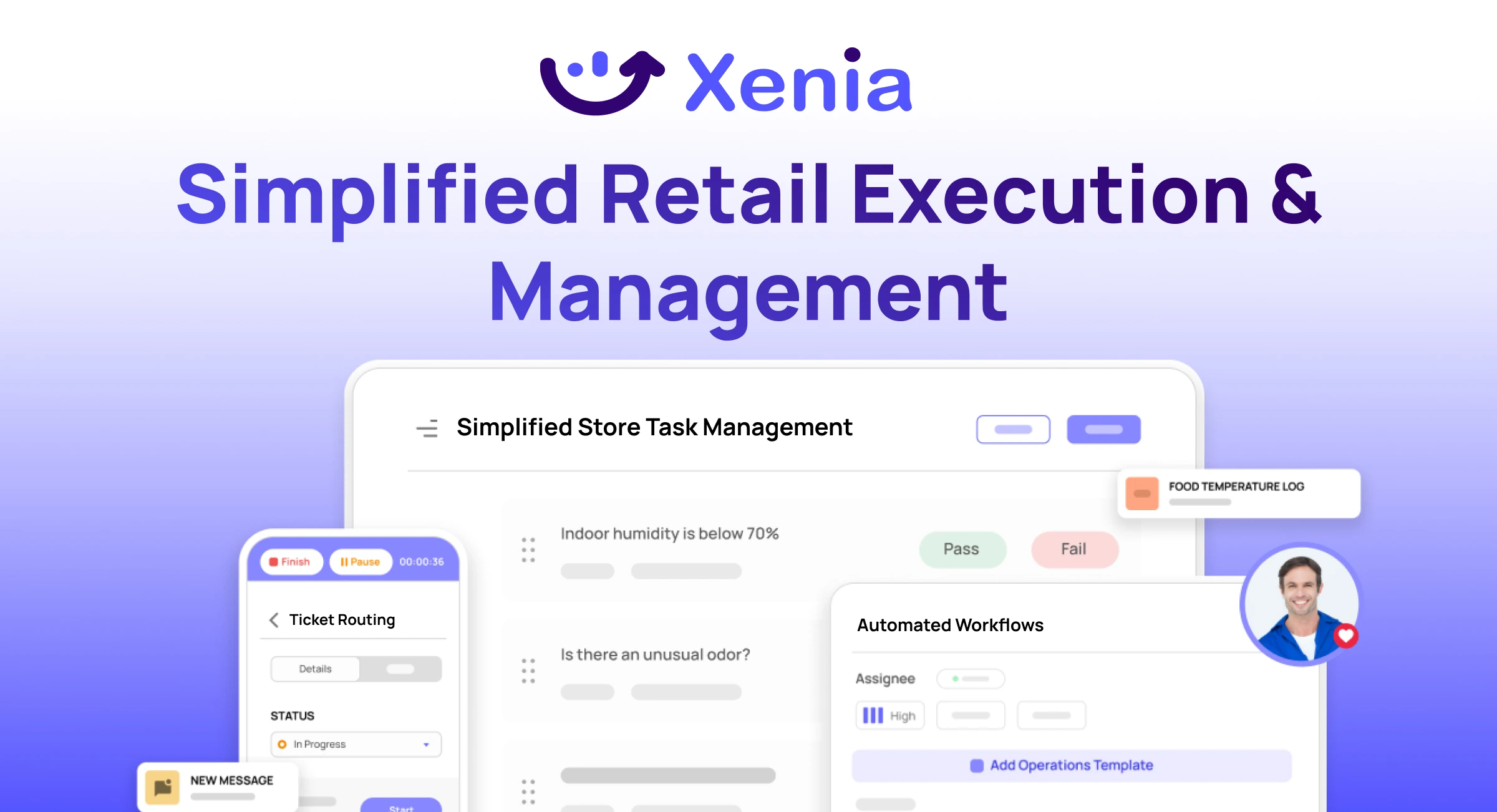
Why Retail Operators Choose Xenia:
🤖 AI-Powered Merchandising, Verify planograms, displays, and brand standards automatically with AI photo analysis. Build digital checklists instantly or convert existing merchandising guides.
🏬 Operations & Loss Prevention, Assign opening procedures, store walks, and resets across locations. Track theft, cash discrepancies, and security incidents with evidence and approval workflows.
📊 Real-Time Visibility, Compare audit scores and task completion across stores. Identify top and underperforming locations. Export reports for leadership reviews.
One platform for operations, merchandising compliance, and loss prevention across all locations.

.svg)
.webp)
%201%20(1).webp)

.svg)
%201%20(2).webp)