

Post Summary
Closing the day used to be simple. Count cash. Compare it to the register tape. Write down the difference. Do it again tomorrow.
That changed in 2026.
AI now verifies transactions instantly. Computer vision catches pricing errors in real time. What once took 45 minutes per register now takes 5.
Here’s what matters: retail sales audits became the foundation of multi-channel retail. A customer buys online, returns in store, or chooses store pickup. Money moves across channels, and your sales audit ensures every transaction is accurate.
Clean financial data across every channel isn't optional anymore. It's how you stay profitable. This guide shows you how to conduct retail sales audits that reconcile every channel, catch errors early, and protect margins in real time.
.svg)

Priced on per user or per location basis
Available on iOS, Android and Web


What is a Retail Sales Audit
A retail sales audit verifies that revenue matches transactions across all channels.
In 2026, that means more than counting cash.
The customer buys $500 online. Picks up in Store 23. Returns $150 at Store 47. Gets credit applied to the next online purchase. Reorders $200 for home delivery from Store 12.
Your sales audit tracks all of it. Which channel books revenue? Which store gets credit? Where does inventory move? Is the money in your account?
Sales audit meaning: Real-time reconciliation of transactions across all channels with automated variance detection to protect margins.
This connects to your broader retail audit program. Store audits verify procedures are followed. Sales audits verify financial accuracy.
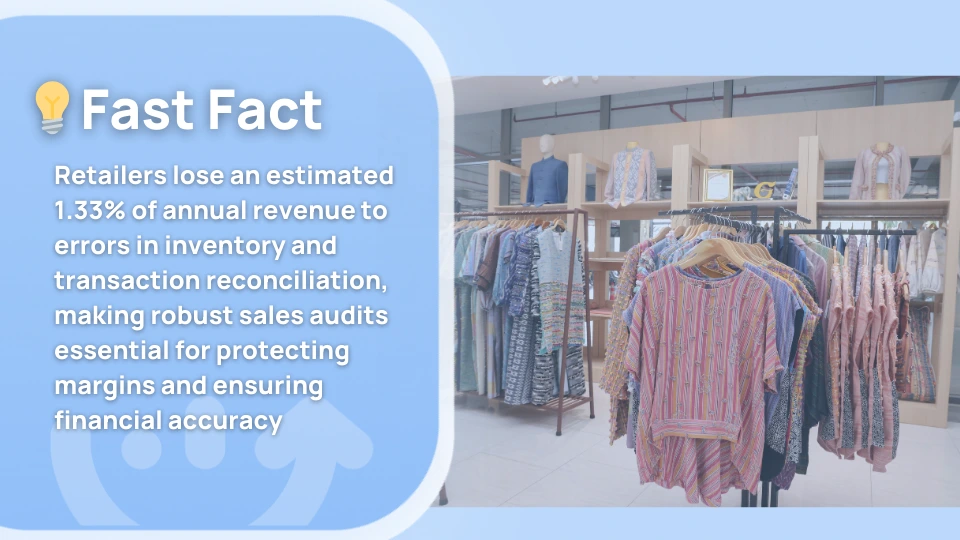
Why Sales Audits Matter for Multi-Channel Retail
Multi-channel retail promises seamless shopping. Buy anywhere, return anywhere, fulfill anywhere.
But it runs on data. And that data must be financially accurate.
The Multi-Channel Challenge
Store 23 fulfilled 47 online orders yesterday. Shipped $8,400 worth of merchandise. But Store 23's daily sales show $2,100.
Where's the $8,400? It booked to online. But Store 23's labor fulfilled it. Store 23's inventory left the building. Store 23's manager can't see those fulfillment costs.
Without accurate retail sales audits, multi-channel creates financial chaos.
Clean Data Across Channels
Your sales operations audit creates one source of truth:
- In-store POS transactions
- Online order fulfillment
- BOPIS pickups
- Ship-from-store completions
- Cross-channel returns
- Gift card redemptions
Every dollar accounted for. Every transaction allocated correctly. Every margin calculation accurate.
This accuracy enables the decisions that drive profit. Which channels are profitable? Which fulfillment methods work? Which products drive margin?
You can't answer without accurate sales audits.
How AI Changed Retail Sales Audits
Here's what changed between 2024 and 2026.
Before AI: Manual Reconciliation
Process: Manager counts cash at 9 PM. Takes 30 minutes. Finds $73 shortage. Writes it in a log. Signs out. Goes home.
The next morning, the district manager sees the note. Calls the store, "What happened yesterday?" The manager hardly remembers. The team member who worked that register isn't working today. Video footage requires IT. The investigation takes a week. Cause never found.
That $73 is gone. Multiply by 50 stores, 365 days. That's $1.3 million in unresolved variances.
After AI: Intelligent Detection
The system detects a $73 variance at 6 PM while the shift is running. AI analyzes all transactions from that register. Identifies 3 returns processed without manager approval.
An alert goes to the manager's phone immediately. Manager reviews video while team is present. Finds the gap: the new employee didn't know the return policy. Training happens the same day.
Variance resolved. Training documented. The pattern was prevented from repeating at 49 other stores through automated alerts.
That's practical AI. Not futuristic. Working today.
Building an AI-Powered Sales Audit Program
Building an effective sales operations audit program requires clear policies, consistent execution, and technology that scales across your network.
Phase 1: Define Multi-Channel Policies
Start with clear financial allocation rules. Who reconciles BOPIS transactions? How do you split revenue and costs between online and store channels for ship-from-store orders? What approval thresholds exist for returns without receipts?
Document these policies in writing. Create decision trees for complex scenarios. Train your finance and operations teams on the standards. Without clear policies, even perfect technology can't create accurate financial data.
Example policy framework:
- BOPIS: Revenue books to the online channel, fulfillment costs allocated to the pickup store
- Ship-from-store: Revenue books to online, fulfillment and shipping costs to fulfilling store
- Cross-channel returns: Refund processes at the return location, cost allocated to the original purchase channel
- Manager approval required: Voids over $50, returns without receipt over $25, and any refund exceeding the original purchase amount
Phase 2: Implement Daily Reconciliation
Daily retail sales audits across all channels become non-negotiable. Every transaction. Every channel. Every store. Every single day.
This frequency isn't optional with multi-channel retail. Wait a week, and you have seven days of complex cross-channel transactions to untangle. Investigate variances when memories are fresh, and video footage is readily available.
Set consistent timing. All stores close their day by 11 PM local time. All variance investigations start by 9 AM the next morning. All training interventions are complete within 48 hours.
AI makes this daily volume manageable. Manual processes couldn't handle reconciling thousands of multi-channel transactions daily across 50+ stores.
Phase 3: Configure Intelligent Thresholds
Not every variance needs the same response. Build tiered thresholds that focus attention where it matters.
Under $5 variance: System documents automatically. No human review unless a pattern emerges across multiple days or multiple stores.
$5-$20 variance: Manager reviews during next shift. AI provides context on the likely cause based on transaction analysis. Manager documents findings and any training provided.
$20-$100 variance: Manager investigates same day. Reviews relevant video. Interviews staff working that register. Documents the root cause and corrective action taken.
Over $100 variance: Loss prevention automatically notified. Investigation task created with a 24-hour resolution deadline. The district manager receives an alert. Complete investigation with video review, staff interviews, and documentation required.
Repeated variances: Any register or employee with variances three days in a row triggers automatic investigation regardless of dollar amount. The pattern indicates a systematic issue requiring intervention.
Phase 4: Enable Predictive Intervention
Move from reactive documentation to proactive prevention. AI analyzes variance trends across your entire network and alerts before patterns become losses.
Store 47 averaging $40 daily variance. Not alarming individually. But trending upward from $15 daily average two months ago. AI flags the trend on Day 30. District manager intervenes. Discovers new manager needs cash handling training. Training deployed. Trend reverses.
Without predictive analytics, you discover the problem in the month-end reports after accumulating $1,200 in unexplained variances.
Configure trend alerts:
- Individual store variance trending 25% above baseline for 14 days
- Network-wide variance in specific transaction type (returns, voids) trending up
- Employee variance rate exceeding store average by 2x
- Register equipment showing higher variance correlation
Phase 5: Connect Financial and Operational Systems
Your sales audit generates insights that improve operations. Connect the financial data to operational systems.
- Integration with scheduling: Which shifts show higher variance patterns? Adjust staffing or add manager coverage during those times.
- Integration with training: Which employees need cash handling coaching? Which stores need a return policy refresher? Automated training assignments based on variance patterns.
- Integration with maintenance: Which POS terminals or registers show higher variance correlation? Equipment issues create transaction errors. Maintenance prevents financial impact.
- Integration with loss prevention: Which stores or employees show concerning patterns? Early escalation prevents losses from becoming systematic theft.
Phase 6: Measure Program Effectiveness
Track key metrics that show your sales operations audit program is working:
- Variance rate: Total variance dollars divided by total revenue. Target under 0.15% of revenue.
- Resolution time: Average hours from variance detection to root cause identification. Target under 24 hours.
- Repeated variances: Percentage of variances that recur at same location or employee after training. Target under 10%.
- Loss prevention escalations: Number of variances requiring loss prevention investigation. Trend should decline as training improves.
- Multi-channel accuracy: Percentage of BOPIS, ship-from-store, and return transactions reconciled without manual intervention. Target above 95%.
Review these metrics monthly with operations and finance leadership. Identify improvement opportunities. Adjust policies and training based on data.
Daily Sales Audit Process
Even with AI, the fundamentals matter. Here's the process.
Step 1: Verify All Channel Transactions
Pull all revenue sources:
- In-store POS transactions
- Online orders fulfilled by this store
- BOPIS pickups completed today
- Ship-from-store orders shipped
- Returns processed from any channel
Verify each type reconciles. POS to credit batch. Online fulfillment to inventory. BOPIS to pickup confirmation. Returns to the original payment method.
Step 2: Automated Cash Reconciliation
Smart cash drawers count automatically. Compare to the POS expected cash. Calculate variance instantly.
AI flags unusual patterns immediately. Register 3 is always perfect. Register 5 consistently short $20-40. Pattern triggers an investigation before you finish counting.
Step 3: Credit Card Batch Verification
The system compares POS credit transactions to processor batches automatically. Identifies missing transactions. Flags processing failures. Creates follow-up tasks.
What took 15 minutes manually now happens in 30 seconds.
Step 4: Intelligent Void and Return Analysis
AI analytical tools analyze every void and return. Compared to historical patterns. Flags unusual activity:
- Void rate is 3x higher than average
- Returns without receipts above the threshold
- Same employee processing multiple high-value voids
- Return timing patterns suggesting fraud
Manager reviews flagged items only. System cleared the routine 95%. The manager focuses on the suspicious 5%.
Step 5: Automated Variance Documentation
All variances are documented automatically. System tracks:
- Dollar amount
- Register location
- Time period
- Staff working at that register
- Historical variance patterns
- Similar patterns at other stores
Creates an investigation task. Routes appropriately. Tracks to resolution. Captures learning. Shares across the organization.
Sales Audit Technology for 2026
Modern retail sales audit platforms combine AI-powered automation with multi-channel visibility to protect margins across your entire network.
Automated POS Integration
Data flows automatically from your POS for real-time sales operations audits. Transactions, batches, voids, returns, all reconciled instantly without manual entry.
AI analyzes constantly. Flags issues immediately. Creates automated tasks for resolution.
AI Photo Verification
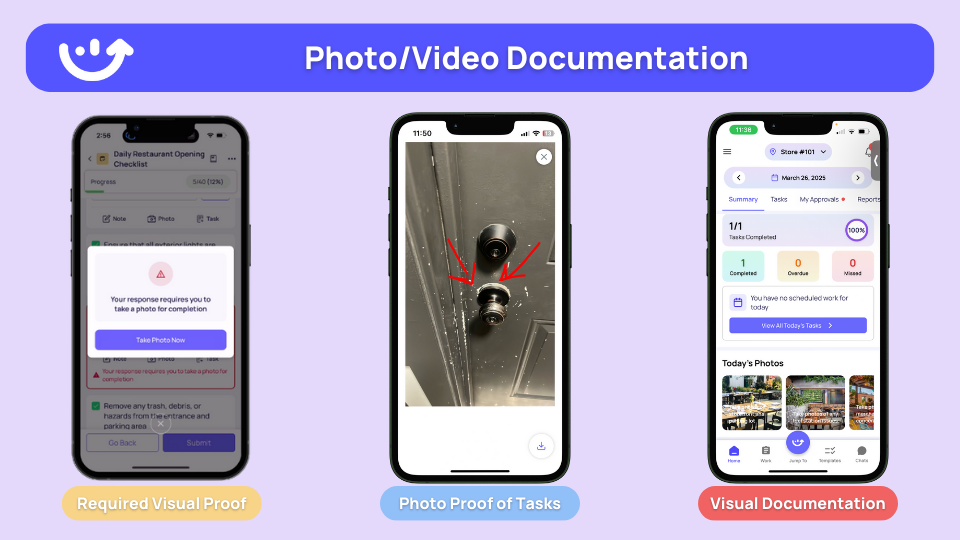
Computer vision reads receipts instantly. Compared to POS data. Detects fraud in seconds.
Leading platforms like Xenia use AI photo rollouts to verify transaction accuracy automatically, reducing manual review time by 60% while improving fraud detection.
Intelligent Workflow Automation
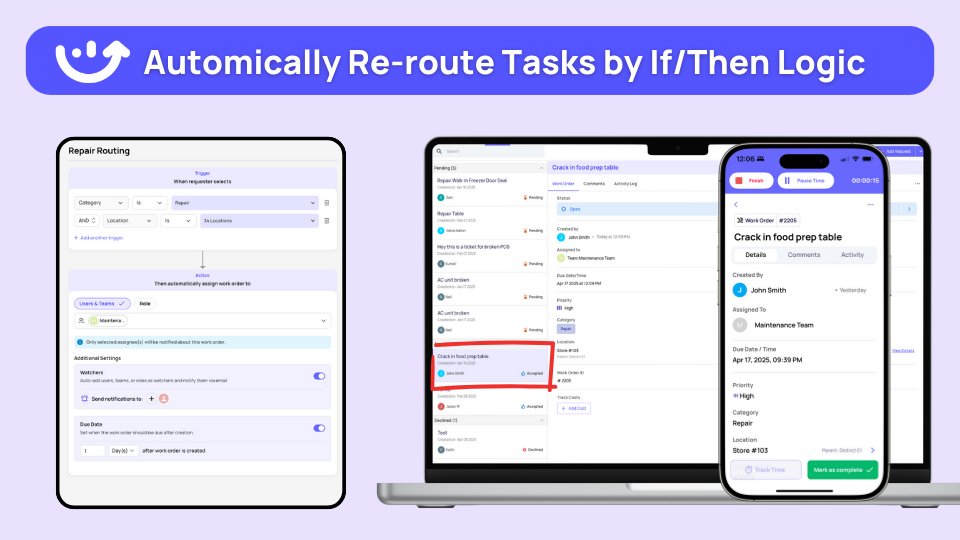
Variance detected. Investigation created. Task routed based on dollar threshold. Deadline set. Escalation automated. Resolution tracked. Learning shared.
The system orchestrates everything. Xenia's corrective action workflows automatically route variance investigations to the right person with complete context, transaction details, video timestamps, and historical patterns, eliminating coordination overhead.
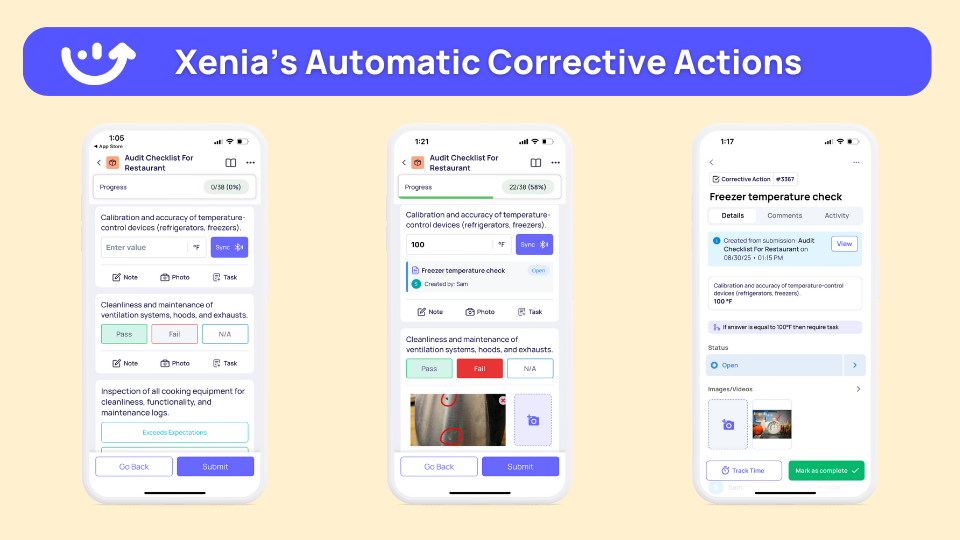
Multi-Channel Dashboard
See financial accuracy across all channels instantly. Which channels are profitable? Which stores excel at fulfillment? Which products drive margin?
Real-time reporting dashboards show variance trends across your entire network, enabling predictive intervention before patterns become losses.
Mobile Investigation Tools
Managers investigate variances on mobile devices during their shift. Review transactions. Watch the video. Document resolution. Complete training. All from their phone.
Modern platforms enable on-the-floor resolution while the team is present, reducing investigation time from days to minutes.
Unified Platform Advantage
The most effective sales audit programs run on unified platforms that connect financial verification with operational execution. When your audit system integrates with task management, team communication, and training documentation, variances don't just get documented; they drive systematic improvement across your organization.
Xenia combines audits, tasks, and analytics in one mobile-first platform purpose-built for multi-unit retail operations, enabling finance and operations teams to protect margins together.
FAQs
What is a retail sales audit, and how does it differ from an operational audit?
A retail sales audit verifies revenue matches transactions across all channels, in-store POS, online orders, BOPIS, ship-from-store, and returns. It focuses on financial accuracy and margin protection.
An operational audit checks if procedures like merchandising standards and store cleanliness are followed correctly. Sales audits happen daily and ensure financial integrity. Operations audits happen weekly or monthly and verify execution standards.
What are the most common causes of variances in a retail sales audit?
Pricing errors where items ring up differently than marked. Return process gaps when refund amounts don't match original purchases. Cash handling mistakes where employees make incorrect change. Missing void approvals. Cross-channel allocation errors where BOPIS or ship-from-store revenue isn't properly assigned.
How does a sales operations audit help in protecting retail margins?
Sales operations audits with AI identify opportunities within minutes through real-time monitoring instead of days later. Computer vision verifies receipts instantly to prevent return fraud. Automated workflows route investigations and track resolution.
Predictive analytics spot variance trends before they accumulate. Pattern recognition across all stores reveals systematic issues like pricing errors that individual audits would miss. Integration with training systems prevents issues from spreading.
What role does automated POS reconciliation play in modern retail sales auditing?
Automated POS reconciliation cuts manual labor from 30-45 minutes per register to 5 minutes by handling routine verification automatically. AI analyzes transactions to flag only suspicious activity requiring review.
Real-time workflows create and route investigation tasks based on dollar thresholds. Multi-channel tracking reconciles revenue across all sales channels for complete accuracy. Predictive analytics prevent variance patterns from developing rather than just documenting losses after they occur.
Conclusion
The retail sales audit evolved from manual check-the-box to intelligent margin protection.
AI verifies transactions instantly. Computer vision catches fraud in real time. Automated workflows prevent patterns before they spread. What took hours now takes minutes. What was reactive is now predictive.
The biggest change? Retail sales audits became the foundation that makes multi-channel retail profitable.
Clean financial data across every channel. Accurate allocation of revenue and costs. Real-time visibility into true profitability. Predictive intervention before losses accumulate.
Smart retailers use retail audit software like Xenia to automate reconciliation, deploy AI pattern detection, and create the financial accuracy that multi-channel retail requires.
Your customers expect seamless shopping across channels. Your sales operations audit ensures you profit from delivering it.
AI-powered retail sales audits close that gap in real time across every channel, every transaction, every day.
Frequently Asked Questions
Got a question? Find our FAQs here. If your question hasn't been answered here, contact us.

Looks like there's no data available in our FAQ section at the moment.

A Modern, AI-Powered Platform Built for Retail Operations
Xenia brings store operations, merchandising, audits, and loss prevention into one mobile-first platform. Store teams execute daily work consistently, maintain brand standards, and resolve issues faster, while regional and corporate leadership get real-time visibility across all locations.
Why Retail Operators Choose Xenia:
🤖 AI-Powered Merchandising, Verify planograms, displays, and brand standards automatically with AI photo analysis. Build digital checklists instantly or convert existing merchandising guides.
🏬 Operations & Loss Prevention, Assign opening procedures, store walks, and resets across locations. Track theft, cash discrepancies, and security incidents with evidence and approval workflows.
📊 Real-Time Visibility, Compare audit scores and task completion across stores. Identify top and underperforming locations. Export reports for leadership reviews.
One platform for operations, merchandising compliance, and loss prevention across all locations.

.svg)
.webp)
%201%20(1).webp)

.svg)
%201%20(2).webp)