

Post Summary
Thinking about becoming a restaurant manager? It's challenging. But also rewarding.
You'll lead teams. Solve problems. Create great customer experiences.
But what skills do you need?
This guide shows you the essential restaurant manager skills to get hired and succeed.
.svg)

Priced on per user or per location basis
Available on iOS, Android and Web


What Skills Do You Need to Be a Restaurant Manager?
Restaurant managers need 3 main skill areas.
People skills. Managing and motivating your team.
Operations skills. Running the restaurant day-to-day.
Business skills. Understanding numbers and making smart decisions.
Let's explore each one.
People Skills Every Restaurant Manager Needs
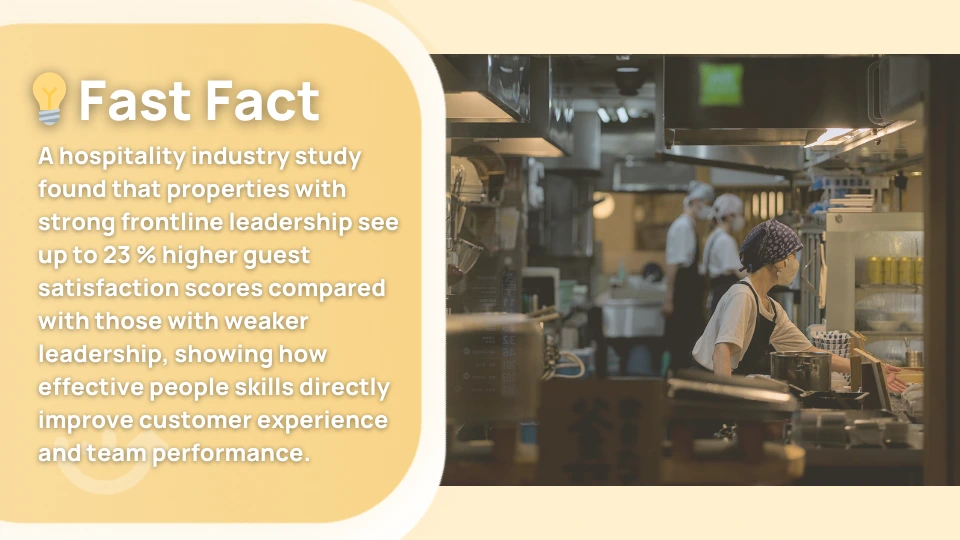
Leading Your Team
Leading a restaurant team is your main job. You'll manage servers, cooks, hosts, and dishwashers. Some are working their first job. Others have years of experience.
Great team leaders do five things well:
- They set clear expectations. Everyone knows what good work looks like.
- They give helpful feedback. People learn how to improve.
- They recognize good work. A simple "great job tonight" goes far.
- They stay calm during rushes. When you're calm, your team stays calm.
- They motivate people. Even during slow weeks.
Your team watches everything you do. When you work hard, they work hard. When you treat customers with respect, they follow your lead.
Training Your Staff
Your restaurant only works when your team knows what to do.
One poorly trained server makes mistakes. One kitchen worker who ignores food safety can shut you down.
Strong training means teaching new hires restaurant procedures. Creating effective restaurant staff training programs. Developing specialized training for kitchen staff.
It also means cross-training employees for different roles. And providing ongoing coaching.
Make training a priority. Your team performs better when they know what to do.
Handling Conflicts
Restaurant kitchens run hot. Literally and emotionally.
The kitchen blames servers for bad ticket timing. Servers blame the kitchen for slow food. Personalities clash during busy shifts.
You solve these problems.
Good conflict resolution is simple. Listen to both sides. Don't pick favorites. Find solutions that work. Fix problems before they grow.
Keep conflicts private. Never argue in front of customers.
Handle issues fast. Don't let them poison your team culture.
Creating Schedules
Scheduling looks easy. It's not.
You need enough staff for Friday night dinner rush. But not so many that labor costs kill your profits. You balance time-off requests with coverage needs.
Smart scheduling means predicting busy periods using sales data. Keeping labor costs between 25-35% of sales. Having backup staff when someone calls out.
Modern scheduling software makes this easier. Learn to use it well.
Bad scheduling creates two problems. Too few staff overwhelms your team and frustrates customers. Too many staff destroys your bottom line.
These are the basic, most required skills for restaurant manager. Now,
Operations Skills That Matter for Restaurant Managers
Managing Inventory
Food costs directly impact profits.
Wasted food is wasted money. Over-ordering ties up cash. Under-ordering disappoints customers.
Good inventory management includes conducting weekly counts. Rotating stock using first-in-first-out. Tracking waste patterns. Ordering the right quantities at the right time.
Small improvements add up fast. Work with suppliers for better pricing. Build relationships that benefit both sides.
Learn comprehensive restaurant inventory management best practices.
Understanding the Numbers
You don't need an accounting degree. But you need to know your numbers.
Track labor cost percentage daily. It should be 25-35% of sales. Watch your average customer check. Know your daily sales compared to last year.
When food costs spike on Tuesday, fix it Wednesday. Wait until month-end and you've lost thousands.
Good managers know their numbers. Great managers act on them.
Maintaining Food Safety
One health violation can destroy your reputation.
Customers check inspection scores online. A bad grade cuts your traffic immediately.
Food safety is simple. Keep food at safe temperatures. Train staff on handwashing. Do daily safety checks. Know health codes.
Get your ServSafe Manager certification. It shows you're serious about food safety.
Make safety automatic for your team. Build it into every procedure.
One foodborne illness can close your doors forever. Don't take chances.
Working with Vendors
Your suppliers are partners, not just order-takers.
Good vendor relationships get you better pricing. Priority service when you need it. Flexibility during emergencies.
Build partnerships by paying invoices on time. Communicating quality expectations clearly. Addressing problems professionally.
Have backup suppliers for critical items. Don't rely on just one source.
When you treat vendors well, they take care of you.
Customer Service Skills for Restaurant Managers
Creating Great Experiences
Customers remember how you made them feel. They forget details. But they remember if you cared.
Train staff on good service. Handle complaints quickly. Keep quality consistent.
Let employees solve problems. Don't make them ask permission for everything.
Go beyond expectations. That creates loyal customers.
Be genuine, not scripted.
Solving Problems Fast
Restaurant problems don't wait.
Your POS crashes at 7 PM Saturday. Equipment breaks overnight. Staff call out sick during a big event.
You stay calm and think fast.
Strong problem-solving means making quick decisions with incomplete information. Finding creative solutions. Communicating clearly about what's happening.
This skill develops through experience. But you'll use it every single shift.
Communicating Clearly
Poor communication creates most restaurant problems.
The kitchen didn't know about the large party. Servers weren't told about menu changes. Staff heard schedule updates through gossip.
Good communication is simple. Run pre-shift meetings every shift. Give clear instructions. Listen to employee concerns.
Coordinate between kitchen and front-of-house. Keep ownership informed.
Clear communication prevents costly mistakes. It keeps your team aligned.
Technical Skills Restaurant Managers Need
Using Technology
Modern restaurants run on technology.
You'll use POS systems for sales and orders. Scheduling software for labor planning. Inventory platforms for stock tracking.
You'll manage reservation systems. Kitchen display systems. Online ordering platforms.
Get restaurant manager training that covers these systems.
Managers who embrace technology perform better. Don't resist it.
Managing Your Time
Restaurant managers handle many tasks at once.
You're reviewing sales while interviewing someone. Fixing equipment while handling complaints. Placing orders while making schedules.
Good time management means prioritizing urgent issues. Delegating tasks to capable team members. Managing your schedule efficiently.
Balance daily problems with future planning.
Your time is valuable. Protect it by focusing on high-impact activities.
Driving Revenue
You're not just managing operations. You're driving sales.
Analyze which menu items perform best. Train staff on upselling techniques. Run promotions during slow periods.
Respond to online reviews professionally. Build customer loyalty programs.
A $2 average check increase adds up fast. 200 customers daily times $2 times 365 days equals $146,000 more revenue yearly.
Small improvements create big results.
How to Build Restaurant Manager Skills
Start at Entry Level
The best managers worked their way up.
Start as a server, host, or line cook. Learn how each position works. Understand what makes each role challenging.
This experience makes you a better manager. You've done the work yourself.
Get Training and Certifications
Formal training accelerates your development.
Get ServSafe Manager Certification for food safety. TIPS Certification for alcohol service.
Take hospitality management courses. Join leadership programs.
These show employers you're serious about the career.
Find a Mentor
Learn from managers who've succeeded.
Good mentors share what worked and what didn't. They help you avoid common mistakes. They answer questions based on real experience.
Ask restaurant managers or owners for guidance. Most are willing to help.
Keep Learning
The restaurant industry changes fast.
Read industry news. Attend conferences. Network with other managers.
Visit competitor restaurants. Follow trends. Learn something new every week.
What Skills of a Restaurant Manager Matter Most?
All these skills are important. But some have a bigger impact.
Team leadership makes everything else possible. Without a good team, nothing works.
Communication prevents most operational problems. Clear communication stops issues before they start.
Problem-solving is essential for daily challenges. You'll face unexpected problems every shift.
Financial management determines profitability. You can't succeed without understanding numbers.
Customer service drives repeat business. Happy customers come back and tell friends.
Start with people skills. They create the foundation.
Then build operational knowledge. Learn the systems and procedures.
Technical skills come last. They're easier once you understand the business.
Conclusion
Restaurant management needs leadership, operations, and business skills.
You don't need to be perfect at everything before you start. You'll learn through experience and training.
Good managers stay humble. They ask for feedback. They learn from mistakes. They adapt when things change.
If you love hospitality and work hard, you can succeed.
Focus on building core skills. Practice them. Learn from experienced managers.
The restaurant industry needs good leaders. You can be one.
Start today.
Frequently Asked Questions
Got a question? Find our FAQs here. If your question hasn't been answered here, contact us.
What restaurant manager skills are most important for getting hired?

Team leadership, communication, and problem-solving. Food safety certification helps. So does scheduling experience and financial knowledge.
What skills are needed to be a restaurant owner?
All management skills plus business planning, financial knowledge, legal knowledge, and brand building. Owners secure funding and grow the business.
How long does it take to develop restaurant manager skills?
About 3-5 years. Start in entry-level jobs for 6-12 months. Then shift supervisor for 1-2 years. Then assistant manager for 1-2 years.
What are good restaurant manager skills to develop first?
Start with people skills and communication. Learn to train employees, give feedback, and handle conflicts. Then learn scheduling, inventory, and food safety.
What skills do you need to be a restaurant manager?
Leadership to manage teams. Operational skills for daily tasks. Customer service for great experiences. Basic business knowledge. Most important: train staff, solve problems, communicate clearly, stay calm under pressure.
What are the key skills of a restaurant manager?
Team leadership, staff training, communication, problem-solving, and financial management. You also need customer service, inventory management, and food safety skills.

A Modern, AI-Powered Platform Built for Restaurant Operations
Xenia brings kitchen operations, food safety, audits, and team communication into one mobile-first platform. Restaurant teams execute daily work consistently, maintain compliance, and resolve issues faster, while leadership gets real-time visibility across all locations.
.webp)
Why Restaurant Operators Choose Xenia:
🤖 AI-Powered Operations, Convert paper logs instantly and verify food presentation and kitchen cleanliness automatically. Get instant answers about food safety trends without building reports.
🍽️ Food Safety & Compliance, Track line checks and temperature logs with automated alerts. Trigger corrective actions when readings exceed safe ranges. Maintain audit-ready records for health inspections.
📊 Multi-Location Control, Monitor food safety compliance and task completion across regions. Benchmark locations to identify training needs. Export reports for operational reviews.
One platform for kitchen operations, food safety, and compliance across all locations.

.svg)
.webp)
%201%20(1).webp)

.svg)
%201%20(2).webp)