
.webp)
Post Summary
Picture this: It's Black Friday morning at your main store. Customers wait in line for the smart TV on sale, but your computer shows 12 TVs while only 3 sit on the shelf. Your manual stock count is wrong again.
This happens to retailers everywhere and costs billions every year. Wrong stock counts create empty shelves when customers want products most and too much stock when sales drop. Growing retail businesses can't count stock by hand anymore.
You need retail inventory management software that tracks stock automatically at all stores, stops you from running out of popular items, and works with your daily store tasks easily.
This guide shows you the 15 best retail inventory management solutions.
.webp)
What is Retail Inventory Management Software?
Retail inventory management software tracks, organizes, and manages stock across all your store locations automatically.
The software monitors how much inventory you have. Shows when products run low. Orders new stock before you run out. Tracks inventory movement between locations.
What it replaces:
- Manual stock counting with spreadsheets
- Paper inventory logs and clipboards
- Guessing when to reorder products
- Calling other stores to check stock levels
What it does automatically:
- Real-time tracking: Shows current stock levels instantly
- Low stock alerts: Warns before products run out
- Automated reordering: Places orders when inventory hits minimum levels
- Multi-location management: Tracks stock across all stores
- Sales integration: Updates inventory when products sell
Why retailers need it: Growing retail businesses can't track inventory manually anymore. Too many products. Multiple locations. Online and in-store sales. Manual tracking creates stockouts that lose sales and frustrated customers.
Best Retail Inventory Management Software Comparison
**
Rank, Software, Stock Tracking, Multi-Location Support, Automated Reordering, Best For
#1, Xenia, Real-time + Operations integration, Native dashboards, AI-powered, Multi-location retail operations
#2, Zoho Inventory, Real-time tracking, Multi-location, Automated, Small to medium businesses
#3, Cin7, Multi-channel sync, Advanced, Pre-set levels, Growing e-commerce
#4, inFlow, Real-time updates, Multiple locations, Before stockout, B2B wholesalers
#5, iVend Retail, Real-time visibility, Multi-channel, Smart alerts, Mobile-friendly management
**
.svg)
.webp)
1. Xenia - Best Retail Inventory Management Software
- What it's for: Complete retail inventory management software with AI-powered tracking integrated into daily store operations
- G2 rating: 4.9/5
- Capterra rating: 4.9/5
- What makes it different: Only inventory software that integrates stock tracking with daily operational tasks automatically. Store managers see inventory counts alongside opening checklists, cleaning schedules, and compliance tasks in one mobile app.

Most inventory software works alone. You track stock in one app. Run daily work in another app. Check rules in a third app. Staff use many apps while inventory gets forgotten during busy times.
Xenia retail inventory management software connects everything automatically. Inventory tracking works with daily tasks. Stock counts happen during opening work. Reorder alerts show up with other tasks. Everything happens in one mobile app that staff already use.
How Xenia's Inventory Management Actually Works
Daily Operations Integration: Morning checklists include inventory counts for popular items. Staff count energy drinks while checking fridge temperatures. System shows problems right away instead of waiting for monthly counts.
Staff get phone alerts: "Complete opening checklist including Red Bull count." Manager scans products, enters count, system compares. Problems get flagged immediately.
AI-Powered Reordering Logic: AI analyzes how fast items sell, what season it is, and how long delivery takes to know when to order more. For a convenience store, energy drinks get reordered when you have 15 left during summer (people buy more) but 8 left during winter (people buy less).
Smart system checks other things too: local events, weather reports, and what competitors are doing. Concert nearby this weekend? The system automatically orders more snacks and drinks. You don't need to change anything yourself.
Cross-Location Inventory Balancing: Real-time operations dashboards show inventory levels across all locations. The district manager sees Store A has 50 winter coats while Store B ran out. System tells you to move coats and makes work tasks for staff automatically.
Moving stock becomes a simple job: "Move 15 winter coats from Store A to Store B. Take photo when done and update stock count." Both stores get the task on their phones with photo requirements.
How Xenia Compares to Traditional Inventory Software
**
What You Need, Xenia, Traditional Inventory Software
Daily integration, Inventory tasks within operational workflows, Separate inventory management system
Staff adoption, Uses existing operational app, Requires learning new inventory software
Real-time updates, Updates during regular tasks, Requires dedicated counting sessions
Multi-location, Cross-location transfer workflows, Location-by-location management
**
Bottom line: Use Xenia when inventory management needs to happen within existing operational workflows rather than as a separate system requiring additional staff training and adoption.
Start free with 25 tasks and 5 users to test inventory workflows in your actual operations.

Priced on per user or per location basis
Available on iOS, Android and Web


2. Zoho Inventory
Zoho inventory software helps to track inventory and manage orders for small to medium scale businesses. The software helps retail businesses to manage their inventory operations.
The solution enables you to track your stock levels and manage orders. The platform integrates with popular e-commerce platforms, accounting software, and shipping carriers. With this, users can have a central workflow and boost their operational visibility.
Additionally, the tool provides analytics and reporting features to ensure users make data-driven decisions.
Zoho Best Features
- Zoho is best for small businesses, small e-commerce companies and drop shippers.
- Provides multichannel inventory control
- The platform easily integrates with other solutions in the Zoho inventory software suite.
- Offers free and affordable paid plans.
Zoho pricing
- Free plan covers 50 Orders and one only.
- Standard plan costs start at $29 monthly.
- Professional plan costs $79.
- Premium plan costs $129.
- The Enterprise plan costs $249.
3. Cin7
Cin7 is a cloud-based inventory software that helps businesses to manage their inventory and sales across multiple channels in real-time.
The tool integrates with different software like Shopify, Etsy, Amazon, eBay and others. Additionally, Cin7 allows users to effectively manage multi-locations by helping to track inventory faster and more efficiently.
The tool simplifies purchasing by automating restocking based on pre-set reorder levels. Plus, Cin7 is highly scalable and can adapt to the needs of growing businesses.
This makes it highly valuable retail inventory management software for any organization that needs a tool that can meet its needs at any point and also constantly increase efficiency, reduce costs, and improve customer satisfaction.
Cin7 Best Features
- Supports multi-location businesses.
- Cin7 provides an effective inventory forecasting tool that enables businesses to predict demand and make accurate plans for stock. This feature considers seasonal trends, previous sales data, and other relevant factors for accurate forecasts.
- Provides POS systems and barcode scanning on all plans
- Cin7 makes order processing easy with its simple order management system. The tool allows users to manage purchase orders, sales orders, and drop shipping orders from a central dashboard. This means users can easily monitor their order statuses.
- Cin7 delivers a B2B eCommerce platform that helps users to sell directly to wholesale customers.
Cin7 Pricing
- Standard plan cost starts at $349 monthly
- Pro plan costs $599 monthly
- Advanced plan costs $999 monthly.
4. inFlow
.webp)
InFlow is a good option for B2B wholesalers and retailers as a retail inventory management software. The software helps business owners to handle purchase orders, send invoices and receipts, barcoding, reporting and many others.
Additionally, the software tracks buyers location after an online order and automates sales and invoicing.
The tool provides inventory control services like reordering, organizing products, stock tracking, barcoding, pricing and costing, and manufacturing. The tool is great at reordering inventory before time and providing real-time visibility.
iFlow Integrates with many tools including eBay, Amazon, Shopify, FedEx, Amazon, Wayfair, and others.
inFlow Key Features
- Real-time Inventory Tracking: Monitor stock levels across multiple locations with the tool’s dashboards.
- Barcode Scanning: Simplify product identification and tracking.
- Order Management: Create and manage purchase and sales orders efficiently.
- Reporting and Analytics: Generate information on inventory valuation and sales trends.
- Integration Capabilities: Connect with platforms like Shopify and QuickBooks for smooth data sharing.
- Mobile Accessibility: Manage inventory on-the-go using mobile apps.
inFlow’s Pricing
- Entrepreneur plan: Starts at $110 per Month
- Small Business: Starts at $279 per Month
- Mid-Size: Costs $49 per Month
- Enterprise: Costs $1,319 per Month
- Custom plans are available on request.
5. iVend Retail
iVend Retail is a cloud-based retail inventory management software that helps users to get visibility of their inventory across different channels.
The tool provides various software applications that cover various aspects of retail management, including point of sale (POS), inventory management, customer loyalty, and eCommerce integration.
The software provides real-time visibility, accurately accounts for stock with detailed reports, and improves customer experience.
iVend Retail Key Features
- Real-Time Inventory Visibility: The tool provides real-time updates on the stock available in the different locations. This way, retailers can make decisions with accurate data to prevent overstocking or stockouts.
- Inventory Tracking: The software helps users to track inventory movement. This includes movements due to sales, transfers from different locations and exchanges and adjustments. Plus, the tool ensures accurate item tracking through factors like color, size, and serial numbers.
- Centralized Inventory Control: This tool provides a central database for managing stock in multiple stores, warehouses, and online channels.
iVend Retail Pricing
- Only available on request.
We’ve seen the best retail inventory management software. Now, let's see some other tools that can serve your inventory management needs.
6. Ecomdash
Ecomdash is a retail inventory management software that is primarily useful to e-commerce businesses (especially small and midsize enterprises).
The solution is a cloud-based tool that helps businesses to manage inventory across multiple platforms and channels.The solution allows for the management of inventory, orders, and shipping across multiple sales channels from a single platform.
This integration helps to improve operations, reduce errors, and increase efficiency.Ecomdash software provides advanced reporting and analytics to enable users to monitor sales trends and manage inventory levels.
Ecomdash’s Key Features
- Order Management: Centralizes order processing from multiple marketplaces, for efficient handling of sales orders, returns, and customer communications.
- Supplier and Purchase Order Management: Simplifies the process of managing suppliers and creating purchase orders to replace stock as needed.
- Shipping Management: The tool integrates with major shipping carriers to make label printing and shipment tracking easy.
- Reporting and Analytics: The software provides detailed information about inventory turnover, sales performance, and other important metrics.
Ecomdash’s Pricing
- Free trial is available
- Standard plan: Goes for $50 per month
- Customized Plan: Available on Request.
7. Ordoro

Ordoro is a cloud-based inventory tool that helps to improve the inventory control of eCommerce businesses. This retail inventory management software provides features that help users to manage stock, orders, and shipping across multiple platforms and channels.
Ordoro helps to make bulk shipping easy for businesses by automating the creation of labels for bulk orders and managing inventory across multiple sales channels. Ordoro is mostly used by eCommerce businesses as it drives efficiency in every operation involved in a multichannel sales process.
Ordoro’s Key Features
- Automated Shipping Label Creation: Ordoro simplifies shipping by automatically creating and printing shipping labels. This saves time and reduces mistakes.
- Order Routing and Fulfillment: The platform automatically sends orders to the most suitable fulfillment location, whether it’s your warehouse or a third-party provider. This helps to save shipping costs and speed up delivery.
- Dropshipping Support: With Ordoro, you can sell products without keeping inventory. The platform automatically sends orders to your suppliers, who ship directly to your customers.
Ordoro’s Pricing
- Essential plan: Starts at $0 per month
- Advanced plan: Begins at $59 per month
- Premium plan: Starts at $149 per month.
8. Shopify POS
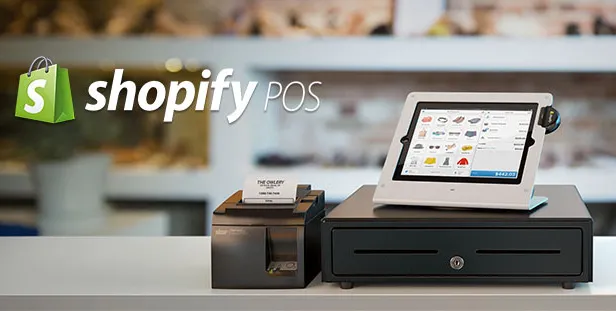
Shopify POS tool enables you to smoothly manage your online and physical stores on a single platform. This way, you'll avoid handling multiple catalogs, payment methods, and inventory systems.
With centralized online and in-store orders and customer data, you can easily offer your customer local pickup options, process returns and exchanges, implement loyalty programs, and sell gift cards in any location.
This retail inventory management software also simplifies the entire inventory management process. It helps to make purchase orders for vendors and suppliers while it tracks outgoing and incoming stock. Shopify POS alerts users when stock levels are low, and factors in sales trends and vendor lead times.
Additionally, it provides detailed performance analyses of products. The tool highlights the products that are selling the ones that aren't selling out fast. This information helps users to make informed inventory planning decisions for future purposes.
Shopify’s Key Features
- Omnichannel Selling: Shopify POS helps users to integrate their online and in-store sales processes by centralising orders, inventory and customer data. This enables customers to have a consistent shopping experience across channels.
- Smart Inventory Management: The tool makes inventory control easy by automating stock tracking across all locations. This ensures users have the accurate update on all the inventory that's available in the store.
- Detailec Inventory Analysis and Reporting: The software provides well detailed inventory reports to help users to make informed decisions. These reports show sales trends and the products that are selling out fast and those that aren't performing well.
- Low Stock Reports: The system ensures users can always meet customer demand by alerting users when stock levels are low.
Pricing
- Basic plan: Goes for $32 per month
- Shopify plan: Goes for $92 per month.
- Advanced plan: Begins at $399 per month.
- Plus plan: Begins at $2900 per month.
9. Lightspeed Retail
Lightspeed Retail is a cloud-based inventory management software that is primarily built to help retailers improve inventory control. The tool is highly scalable and reliable for modern retail operations.
The retail inventory management software provides different features, including inventory management, detailed reporting, customer management, multi-location compatibility, and staff management.
The software simplifies operations by centralizing tasks based on employee roles. Managers can access the Manager tab to handle daily administrative tasks, while cashiers have a streamlined POS Mode profile focused solely on sales.
This clear role-based separation reduces distractions and errors, making it easier for employees to focus on their specific responsibilities. As a result, new hires can easily learn how to use the tool without the need of formal training.
Lightspeed Retail Key Features
- Inventory management: Users can easily create product variations such as size, color and material by using the efficient matrix system. The tool allows users to easily create, track and assign serial numbers to products.
- Lightspeed payments: With Lightspeed Payments, users can conclude sales and get payment without leaving their point-of-sale system. It also provides fraud prevention features and PCI compliance.
- Integrated eCommerce: Users can make sales both online and in-store with Lightspeed eCommerce.
Lightspeed Retail Pricing
- Basic Plan: Costs $109 per month.
- Core Plan: Costs $179 per month.
- Plus Plan: Stats at $339 per month.
10. Thrive by Shopventory
.webp)
Thrive by Shopventory helps retailers, wholesalers, and e-commerce businesses manage and optimize their inventory. The retail inventory management software enables users to create purchase orders and assign products to the right vendors, optimizing workflows across the organization.
The tool automatically detects low inventory levels and sends email notifications to enable users to place orders and also monitor other operational procedures.
The retail stock management software also offers users digital spreadsheets for managing manual stock counts or reconciliation worksheets to print item lists.
Shopventory’s Key Features
- Inventory and sales report: Shopventory offers robust reporting for companies with one or hundreds of locations. Focuses on remaining stock, inventory valuation, precise profitability, and more.
- Vendor Management: Users can assign products to your vendors with Thrive vendor management for easy reordering. Thrive stores contact information and internal notes for convenient access.
- Bundles: Shopventory can mix several items together and keep track of the stock when you sell the final product.
Shopventory’s Pricing
- Standard plan starts at $99 per month
- Professional plan costs $249 per month
- Elite plan costs $499 per month
- Enterprise plan costs $999 per month.
11. NetSuite

NetSuite retail inventory management software is a good choice for big multi-location brands. The platform offers real-time visibility across multiple locations and sales channels, helping businesses optimize inventory levels and reduce costs.
For big businesses wishing to consolidate their data into a single platform, NetSuite is a great option due to its advanced features. NetSuite has a built-in financial management solution that tracks financial data and automates accounting activities to help organizations' efficiency.
Shopventory’s Key Features
- Billing: If you have several clients, partners, or vendors, NetSuite can help you streamline your billing process. The platform offers you freedom and control over your charging process. You can also create and manage subscriptions and recurring billing using the billing function.
- Revenue Recognition: NetSuite helps you comply with accounting standards to report financial results promptly. The revenue recognition services let you swiftly schedule, calculate and report revenue on financial statements.
- Financial Planning and Reporting: NetSuite's financial planning and reporting features are informed by big data analysis. With its integrated planning and budgeting features, NetSuite can assist with budgeting.
Shopventory’s Pricing
- Prices start at $99 per user per month.
- Includes a $999 per month licensing fee, plus a per-user fee that starts at $99 a month.
- You can request a quote.
12. Unleashed

Unleashed is a retail inventory management software that helps eCommerce retailers and other businesses owners to manage inventory. The software provides full visibility and control over inventory to enable users to manage purchasing, production, and sales efficiently.
Unleashed integrates with over 30 other systems, including accounting and CRM platforms for smooth operations, increased productivity and improved efficiency. Plus, the retail stock management system allows you to accurately track stock in real-time across different locations.
Unleashed’s Key Features
- Real-Time Inventory Control: Provides visibility into stock levels and movements across multiple locations.
- Purchasing and Supplier Management: Automates purchase orders and tracks supplier performance.
- Sales and Order Management: Manages sales orders, invoicing, and customer relationships efficiently.
- Comprehensive Reporting and Analytics: Generates customizable reports on sales, stock performance, and margins.
Unleashed’s Pricing
- Medium Plan: Begins at $380 per month.
- Large Plan: Starts at $710 per month.
- Large Plus Plan: Starts at $1,080 per month.
13. SimpliField
SimpliField is the first software to fully integrate with a mobile platform. The software is great for retail operations, advanced performance analytics and internal communications.
SimpliField helps businesses to manage their inventory with features like customizable dashboards and real-time data analytics. The software provides tools for real-time analytics, employee communication and task management for effective collaboration across teams.
SimpliField Provides users features like KPI dashboards, store performance monitoring, and inventory management. This helps users to cut costs and improve customer experiences.
For example, the tool allows users to customize the dashboard to show the information they need for their operations.
SimpliField Features
- Real-time Data and Analytics: Provides customizable dashboards to track store performance for informed decision making.
- Task Management: Helps to create and track task progress across multiple store locations.
- Store Audits and Visits: Simplifies scheduling of store visits to ensure each location is well attended to
- Employee Communication: Provides told to enable employees to communicate one-on-one or via group chats.
SimpliField Pricing
- Contact sales for a quote.
14. Microsoft Dynamics

Microsoft Dynamics retail inventory management software helps retailers to effectively manage inventory by providing real-time data on inventory levels across different locations.
This enables businesses to effectively monitor their stock level and make timely decisions on when to restock and the right amount that's needed. The software automates different inventory related tasks like purchase orders, restocking, and order management.
This helps users to reduce manual errors and save time for other tasks. Microsoft Dynamics uses intelligent algorithms to analyze market trends and historical sales data to make forecasts on future demands.
This helps users to maintain the right inventory levels and avoid stockouts or overstocking. The software is highly scalable and allows users to adjust inventory management processes without incurring high overhead costs.
Microsoft Dynamics Features
- Demand Forecasting: The tool uses AI to analyze previous sales to accurately predict demand.
- Omnichannel Integration: Synchronizes inventory across multiple sales channels to ensure consistent product availability and reduced cases of overselling.
- Real-time Inventory Tracking: Provides detailed information on the inventory available and stock that are moved across different locations.
- Automated Restocking: Enables automated triggers for purchase orders based on defined parameters.
Microsoft Dynamics ERP Pricing
- Contact sales for a quote.
15. Sortly

Sortly is a retail inventory management software that's suitable for small businesses to manage their inventory, including supplies, materials, tools, and equipment.
The solution is easy to use for tracking and categorizing goods using barcodes, QR codes, and photos.
The tool allows you to create an inventory QR code from your mobile phone.With a focus on mobile accessibility, this inventory control software offers easy access to inventory data on a variety of mobile devices. You can easily manage your inventory while on the move using Sortly's mobile app.
Sortly’s Key Features
- Offline mobile access: This feature helps you track and update inventory on the mobile app even when you're offline or out of coverage.
- Visual Documentation and Tracking: This feature makes it possible to track the appearance and condition of your stock, enabling easier identification and organization of your inventory.
- Customizable categories: This makes business process organization easier. You can customize user access, role permissions, units of measurement, and other parameters.
- Activity history report: This feature lets you monitor what happens and who does anything as regards your inventory.
- Integrations with shipping companies and major sales channels make information circulation faster as all development from different channels is received directly.
Sortly’s Pricing
Sortly has a monthly and yearly plan. When you subscribe to the annual plan, you save some money, but if you cannot subscribe for the entire year, you can subscribe monthly for a slightly higher charge.
- Free plan: Available for free.
- Advanced plan: Goes for $49 per month.
- Ultra plan: Costs $149 per month.
- Premium plan: Costs $299 per month.
- Enterprise: Available when you request a quote.
Benefits of Using Retail Inventory Management Software
Inventory management software for retail stores offers many benefits for businesses. Let's look at some benefits of the software.

1. Enhanced Efficiency
Retail inventory management software automates repetitive tasks like stock counting, reordering, and data entry. This enables businesses to free up their staff to focus on other strategic and value-added activities, such as improving customer service or analyzing market trends. This also leads to faster order processing where customers receive their orders on time for increased operational efficiency and customer satisfaction.
2. Real-Time Updates
Modern software provides accurate and most current data on stock levels, product locations, and order statuses. These real-time updates allow businesses to respond quickly to changes, like reallocating inventory to high-demand areas or placing orders for stock before it runs out.
3. Detailed Analytics
Such a software includes advanced analytics tools that generate detailed reports on stock movements, sales patterns, and turnover rates. This data allows businesses to identify trends, such as seasonal demand or underperforming products, and make the right decisions. For example, managers can use this information to adjust their inventory strategies, reduce waste, and manage storage space.
4. Cost Savings
Retail inventory management systems allows business owners to maintain the right amount of inventory and reduce carrying costs and storage fees. It also allows for automation to reduce the need for additional labor and other operational expenses. Furthermore, retail inventory management software reduces waste by helping businesses to effectively allocate resources.
5. Better Demand Forecasting
Advanced retail store inventory software helps users to analyze previous sales reports and market trends to make accurate demand forecasts. This information helps businesses predict their inventory needs, have the right products in the right quantities and at the right time. This reduces the risk of over-purchasing products and increasing profits by aligning inventory with actual demand.
Related Resources
- Retail Operations Management Guide
- Daily Store Checklist Template
- Multi-Unit Operations Platform
- Retail Compliance Checklist
- Task Management for Retail
Conclusion
Manual inventory tracking wastes time and loses sales.
Counting stock by hand creates mistakes. Products run out when customers want them. Multiple stores make tracking impossible. Lost sales hurt your business.
The best retail inventory management software tracks stock automatically across all locations. Prevents stockouts through smart reordering. Saves time with real-time updates.
Xenia goes further by connecting inventory with daily store work. Staff handle stock counts during regular tasks. AI reorders products automatically. Everything happens in one mobile app.
Start free with 25 tasks and 5 users. Book a demo to see how Xenia transforms retail inventory management.
Frequently Asked Questions
Got a question? Find our FAQs here. If your question hasn't been answered here, contact us.
How does inventory management software handle seasonal products?

Software looks at last year's sales to predict this year's demand. It knows to order more winter coats before cold weather and swimsuits before summer. It checks weather and local events to order the right amounts.
Can small retail businesses afford inventory management software?
Yes, many cost under $50 monthly or are free. You save more money from better stock control than the software costs. Free options like Xenia give small stores the basic features they need.
How much training do workers need for new inventory software?
Simple software needs 1-2 hours training for most workers. Managers need 4-6 hours to learn reports and setup. Pick software with phone apps that feel like regular smartphone apps. Good companies give video training and phone help.
Should I pick web-based or computer-installed inventory software?
Pick web-based software. Easier setup, updates happen automatically, works on phones. Staff check stock from anywhere. Computer-installed software needs tech help and doesn't work well for multiple stores. Web systems cost less to start.
Which retail inventory software is easiest to set up?
Web-based software like Xenia and Zoho set up fastest. No special computers needed. You make an account, connect your cash register, start tracking stock the same day. Pick software that loads your current stock from Excel files.

A Modern, AI-Powered Platform Built for Retail Operations
Xenia brings store operations, merchandising, audits, and loss prevention into one mobile-first platform. Store teams execute daily work consistently, maintain brand standards, and resolve issues faster, while regional and corporate leadership get real-time visibility across all locations.
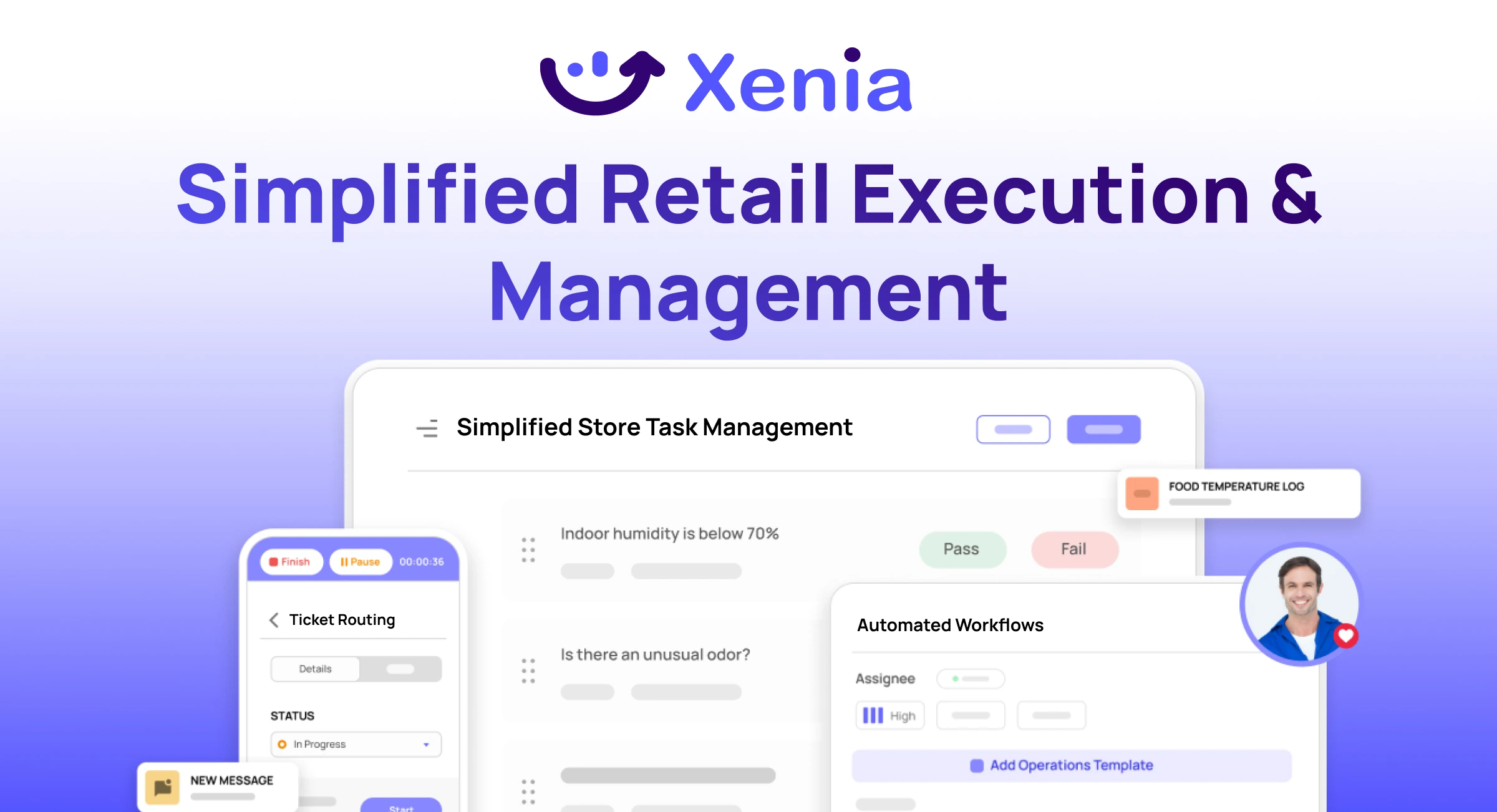
Why Retail Operators Choose Xenia:
🤖 AI-Powered Merchandising, Verify planograms, displays, and brand standards automatically with AI photo analysis. Build digital checklists instantly or convert existing merchandising guides.
🏬 Operations & Loss Prevention, Assign opening procedures, store walks, and resets across locations. Track theft, cash discrepancies, and security incidents with evidence and approval workflows.
📊 Real-Time Visibility, Compare audit scores and task completion across stores. Identify top and underperforming locations. Export reports for leadership reviews.
One platform for operations, merchandising compliance, and loss prevention across all locations.

.svg)
.webp)
%201%20(1).webp)

.svg)
%201%20(2).webp)